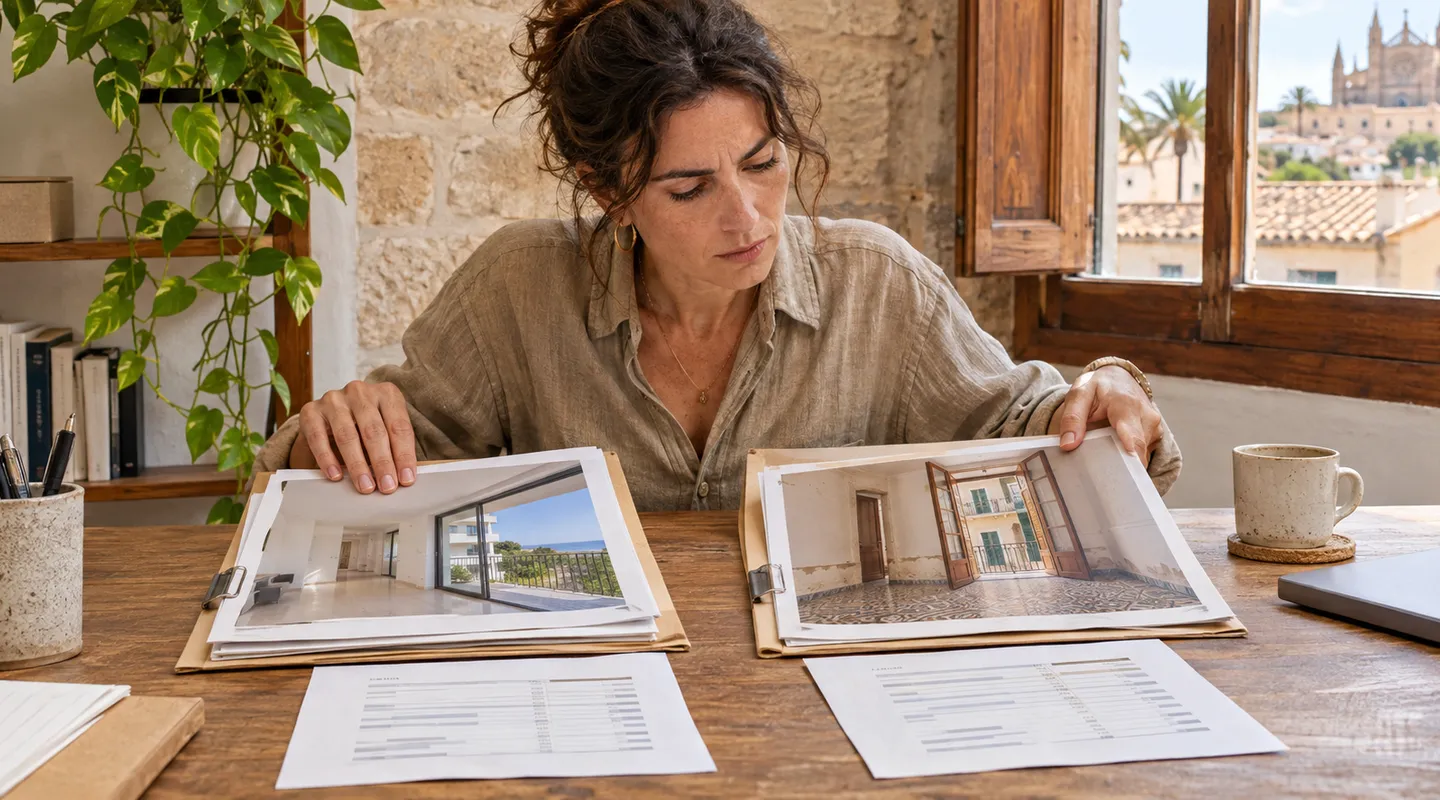

Before you pay a holding deposit for a home in Mallorca, check how much you can contribute, exactly what you are buying and what happens if the purchase runs into difficulty. Start with your budget, review the paperwork for the home and put the terms that matter in writing.
1. Work out what you can afford
Allow separately for the price, taxes, purchase costs and savings you will need after completion. Generally, resale homes are subject to transfer tax (ITP), while a developer’s first supply is subject to VAT and, where applicable, stamp duty (AJD). Consult the Spanish Tax Agency’s VAT and transfer tax guidance, the Balearic Tax Agency and our purchase tax guide. For transfer tax, check whether there is an official reference value and how it affects the taxable amount under the transfer tax legislation.
If you need a mortgage, ask a lender to review your income, savings and debts. Find out how much it expects to lend, what value it uses and what still needs approval. Refer to our guide to the costs of buying when adding up the figures.
2. Search and view with a shortlist of priorities
Choose the areas, property types and features that affect daily life. At the viewing, check light, noise, ventilation, utilities, accessibility and building condition. If parking, storage or exclusive use of a terrace is advertised, ask how the paperwork confirms what passes with the sale. Write down any outstanding checks using our questions to ask before buying. For a country house with land, follow the rural purchase guide from the start.
View homes for sale in Mallorca
3. Check the property before paying a deposit
Ask for a Land Registry extract to confirm who is selling, which registered property you are buying and what charges or restrictions apply. Collect the purchase documents, check the habitation certificate with the Consell de Mallorca where applicable and look at the energy rating. If the actual layout or measurements differ from the paperwork, read how to investigate the recorded floor area before valuing the property or committing to a price.
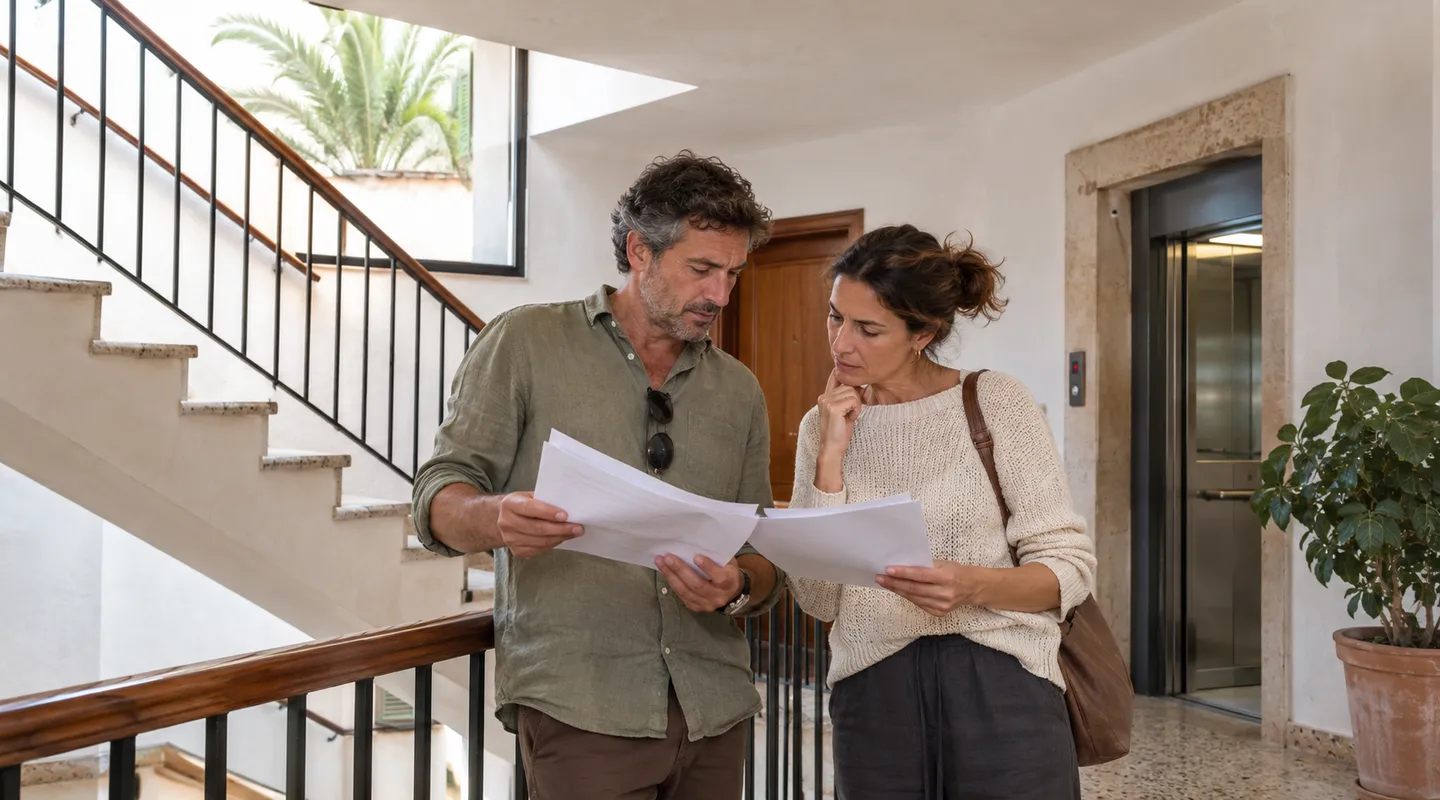
For a flat, ask the seller for the owners’ association minutes, the budget and any special levies. Check the community debt certificate for completion. Ask who occupies the property and how vacant possession will be confirmed if that is the basis of the sale.
4. Agree the offer, deposit terms and financing
State the price, timetable, items included and who will deal with outstanding matters. Before signing the arras deposit agreement, agree what happens if your mortgage is declined or the bank offers less than you need. If you already have the valuation, see what to do when it comes in below the price.
Once the mortgage is approved, review the European Standardised Information Sheet (FEIN in Spain), linked products and costs. For loans within its scope, the Spanish mortgage credit law requires the borrower to receive pre-contract documents at least ten calendar days before signing and to receive advance advice from the notary. Allow for that when setting the completion date.
5. Sign the deed and follow through after completion
Review the sale agreement, the draft deed, the payment arrangements and the agreed release of any charges. Before taking the keys, check you are receiving what you agreed and note the meter readings. Confirm who will file the tax returns and present the deed to the Land Registry, and keep the receipts. Then update the utility accounts and give the owners’ association your contact details.