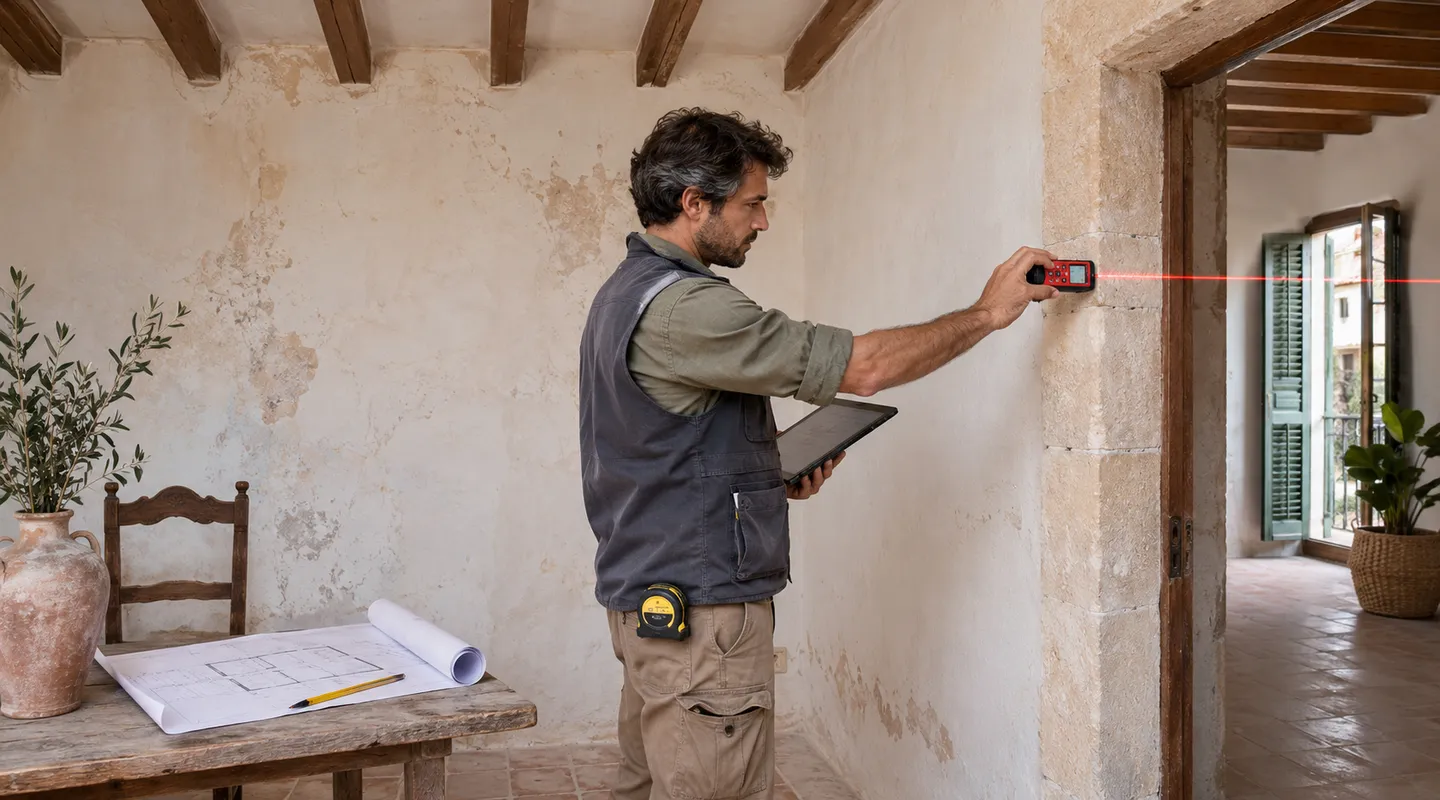

You can sell a home in Mallorca while living off the island. Make sure people can access the property and decide early whether you will attend completion or appoint someone to sign for you. Living elsewhere in Spain and being non-resident for Spanish tax purposes have different tax implications.
Get the sale ready without travelling for every task
Use the sale documents guide to collect the deed, identification, local property tax receipt and certificates. Obtain a recent Land Registry extract and flag any mortgage, tenant or co-owners. Agree who holds the keys, who can let in viewers or technicians and how you will approve offers. Arrange who will take the final meter readings and hand the property over.
Agree signing arrangements with the notary early
If someone needs to represent you, ask the notary dealing with completion to review the wording of the power of attorney before you grant it. Check whether it needs to cover the deposit agreement, sale, receipt of funds, handover or release of charges. In Spain you can use a notary. Abroad, check whether you can grant the power through a Spanish consulate or use a local notary. For a local document, confirm whether it is recognised and needs an apostille or legalisation and translation. Send the documents for review before setting completion and verify payment instructions using a contact method you already trust.
Check your tax residence and what you will receive
If you live off the island and are Spanish tax resident, check the sale under resident income tax (IRPF). If you live abroad, confirm your position under the Spanish Tax Agency’s residence criteria and any applicable treaty. When the seller is non-resident and sells without a permanent establishment, the buyer generally withholds 3% of the price and pays it to the tax authority using Form 211. Get the receipt to report the sale on Form 210 and claim credit for the amount paid on account.
Where municipal land value tax is due and the seller is a non-resident individual, the buyer acts as substitute taxpayer under Article 106 of the Local Finance Act. Check the municipality’s rules and confirm the payment breakdown with the notary.