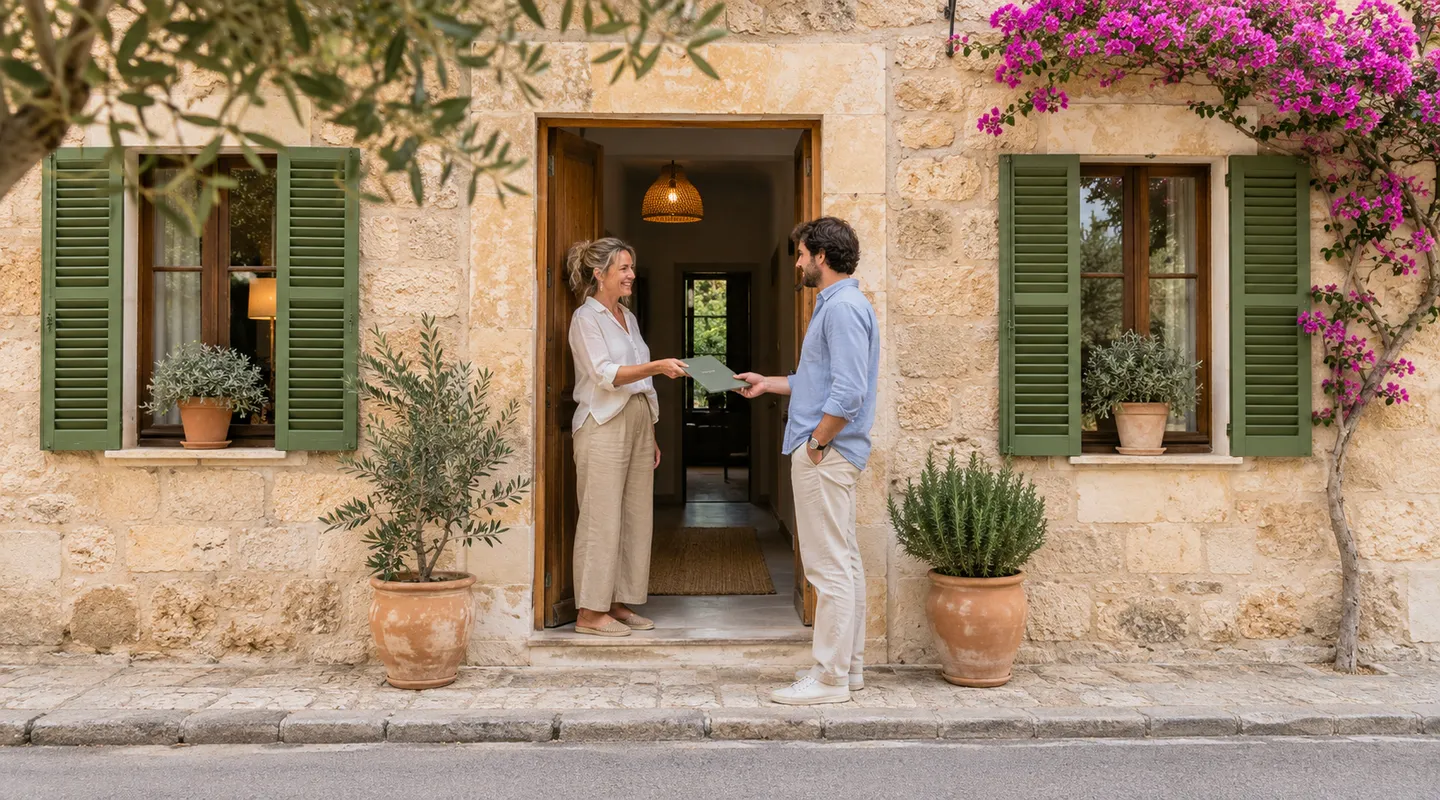
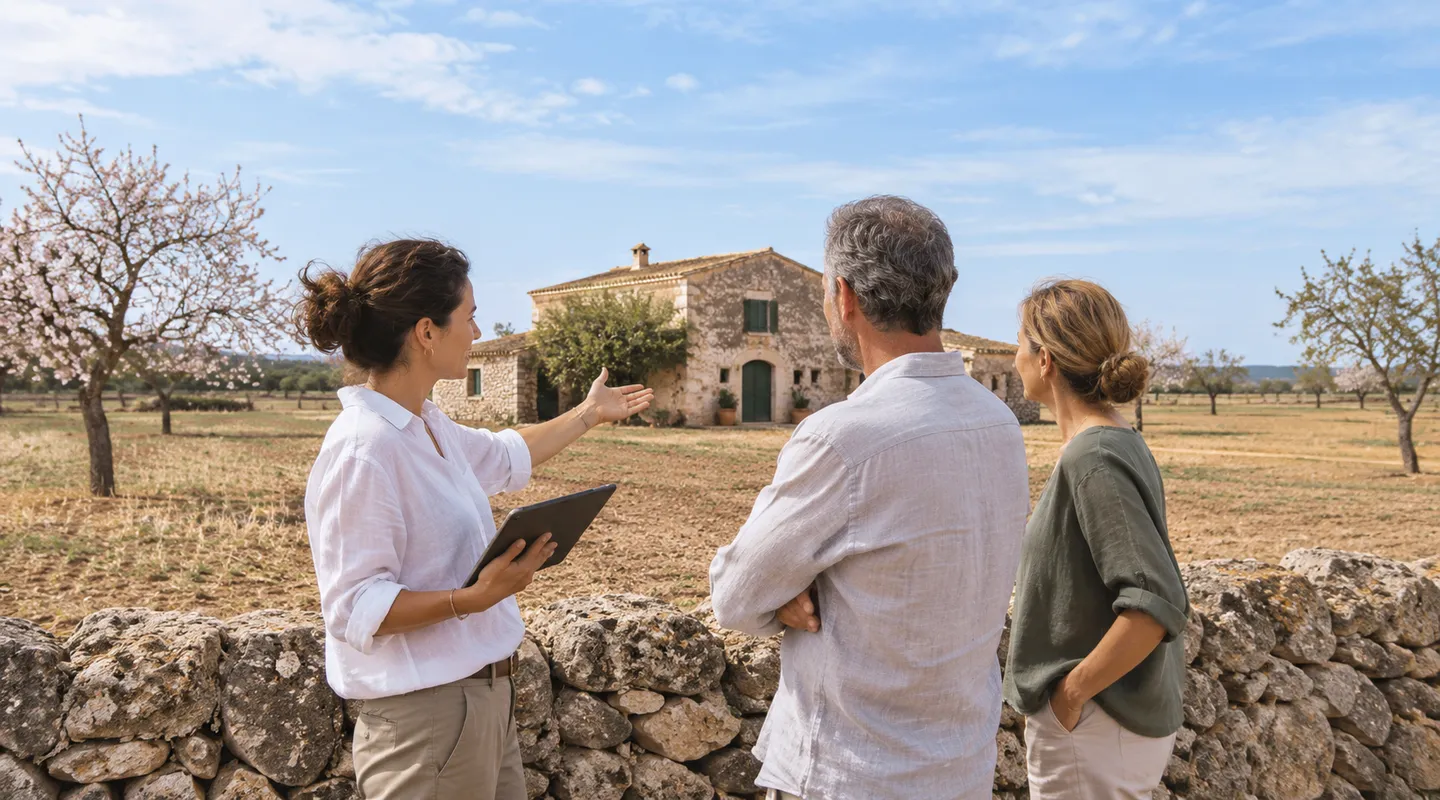
Valuing a rural property in Campos starts with a visit, identification of the plots and proof of the buildings and uses that can be relied on. The valuation should explain which comparable properties support the range and which missing documents could change it.
Identify what will be sold and check the planning position
Collect the deed, a Land Registry extract, cadastral references, plans and permits. Keep plot size and built area separate. Locate the property on the Balearic Islands planning map and check the Mallorca Island Territorial Plan. Ask the Campos planning department to confirm the zoning, permitted uses, restrictions and status of the house and outbuildings. Check restrictions affecting the particular plot, such as flood risk, protection designations and easements. A building appearing in the Cadastre and proof of its planning status are separate checks.
Check what a buyer can make use of
At the visit, examine the physical access and legal rights of way, the condition of the house and outbuildings, the upkeep of the land and available services. Find out if the property has mains water, a well or a tank, and check documentation for the water supply and sanitation as applicable. Consider tenancies, occupation, registered charges and repairs. Assess the effect of unverified features separately and see our guide to selling rural property.
Ask for a price range with comparable evidence and adjustments
Compare rural properties in Campos or genuinely similar areas with comparable land use, access, services and buildings. Distinguish verified transaction evidence from asking prices. Ask the valuer to explain adjustments, gaps in the evidence and the asking range that the documentation supports. A market valuation helps set the sale strategy. If you need a mortgage, ask for a valuation under the applicable mortgage valuation rules.
Our Campos office can review your paperwork, visit the property and explain what else is needed to put a figure on it.