Energy efficiency and sustainability are now fundamental considerations when choosing a home. The Energy Performance Certificate (CEE) has become a key tool for assessing a property’s energy consumption and environmental impact. In this article, we explore what an energy certificate is, why it matters and how it can benefit you as an owner or tenant. If you are interested in understanding your home’s efficiency and helping protect the environment, read on!
What is an Energy Performance Certificate (CEE)?
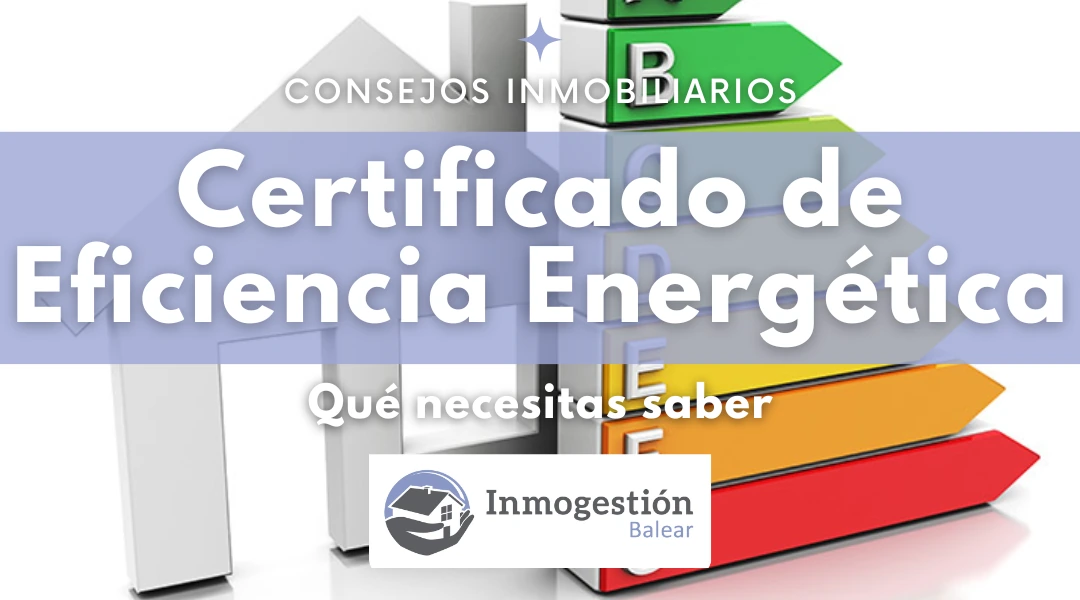
An energy certificate is a document that assesses a property’s energy efficiency. It is based on a detailed analysis of the home’s construction, installations and energy consumption. The result is expressed as a rating from A (most efficient) to G (least efficient). The certificate also provides recommendations for improving the home’s energy efficiency.
Why the Energy Performance Certificate (CEE) matters:
The energy certificate is important for several reasons:
- Environmental awareness: Obtaining an energy certificate demonstrates your commitment to protecting the environment by assessing and reducing your home’s energy consumption.
- Financial savings: An energy-efficient home can significantly reduce energy costs, providing long-term savings for both owners and tenants.
- Added property value: A favourable energy certificate can increase the property’s value, as it shows that the home meets standards of efficiency and sustainability.
- Legal compliance: In Spain, an energy certificate is compulsory for sales and lettings within the scope of Royal Decree 390/2021, subject to its exclusions, so not having one may lead to penalties or delays in transactions.
How do you obtain an Energy Performance Certificate (CEE)?
To obtain an energy certificate, follow these steps:
- Appoint a qualified technician: Contact a technician specialising in energy certification to assess your home.
- Inspection and data collection: The technician will carry out a detailed inspection of the property, considering factors such as orientation, building materials, insulation, heating and cooling systems and lighting. Information on energy consumption over recent years will also be collected.
- Calculation of the energy rating: The technician will perform the calculations needed to determine the home’s energy rating. This rating is displayed on an energy label ranging from A to G.
- Issue of the certificate: Once the results are available, the technician will issue the energy certificate, including the energy rating, recommendations for improving efficiency and the certificate’s validity period.
Benefits of improving your home’s energy efficiency:
The energy certificate not only provides information about your home’s efficiency, but also recommends improvements. Some benefits of implementing these improvements are:
- Reduced energy consumption: Adopting efficient measures, such as installing LED lighting, providing adequate insulation or incorporating renewable energy, can significantly reduce energy consumption.
- Long-term financial savings: Reduced energy consumption translates into long-term financial savings, as electricity and heating bills fall considerably.
- Greater comfort and wellbeing: An energy-efficient home provides greater comfort, with a more stable temperature and better indoor air quality.
- Increased property value: Improving your home’s energy efficiency increases its value on the property market, as it is considered a more attractive and sustainable property.
Conclusions
The energy certificate is an essential tool for assessing and improving your home’s energy efficiency. Obtaining it allows you to understand your home’s energy consumption, reduce energy costs and help protect the environment. A favourable energy certificate also adds value to your property and ensures legal compliance in property transactions. Contact a qualified technician to obtain your energy certificate and discover how to make your home more efficient and sustainable.
Energy certification infringements can lead to penalties: the specific rules provide for fines of €300 to €600, €601 to €1,000 and €1,001 to €6,000, depending on their seriousness. If the benefit obtained exceeds the prescribed fine, a penalty equal to that benefit may be imposed.
If you are looking for an energy-efficient home in Mallorca, our estate agency is here to help! We offer a wide selection of properties that meet high standards of energy efficiency. Contact us and find a home that looks after both you and the environment!
We hope this article has provided useful information about the energy certificate! If you have any questions or need further details, please contact us.
To distinguish this certificate from the other property documents, see Certificate of habitability in Mallorca: steps and renewal and Documents to sell a home in Mallorca: a detailed guide.